How Does Keno Work
Keno is a lottery-style number game, and once you strip away the flashing screens it’s genuinely simple. Every round of Keno Gameplay combines a Keno Ticket, a Number Draw, and a Keno Paytable. You mark some numbers on the ticket, twenty numbers get drawn at random, and the paytable decides what you win based on how many you matched. That’s how does keno work in one sentence — pick, watch, get paid.
The play loop never changes: you choose your numbers, the draw happens, and the Keno Paytable determines payouts for the numbers you matched. What’s handy for beginners is that the rules stay remarkably consistent whether you’re at a pub terminal in Brisbane or on an app at home. Learn it once and you can play keno almost anywhere.
Filling Out a Keno Ticket
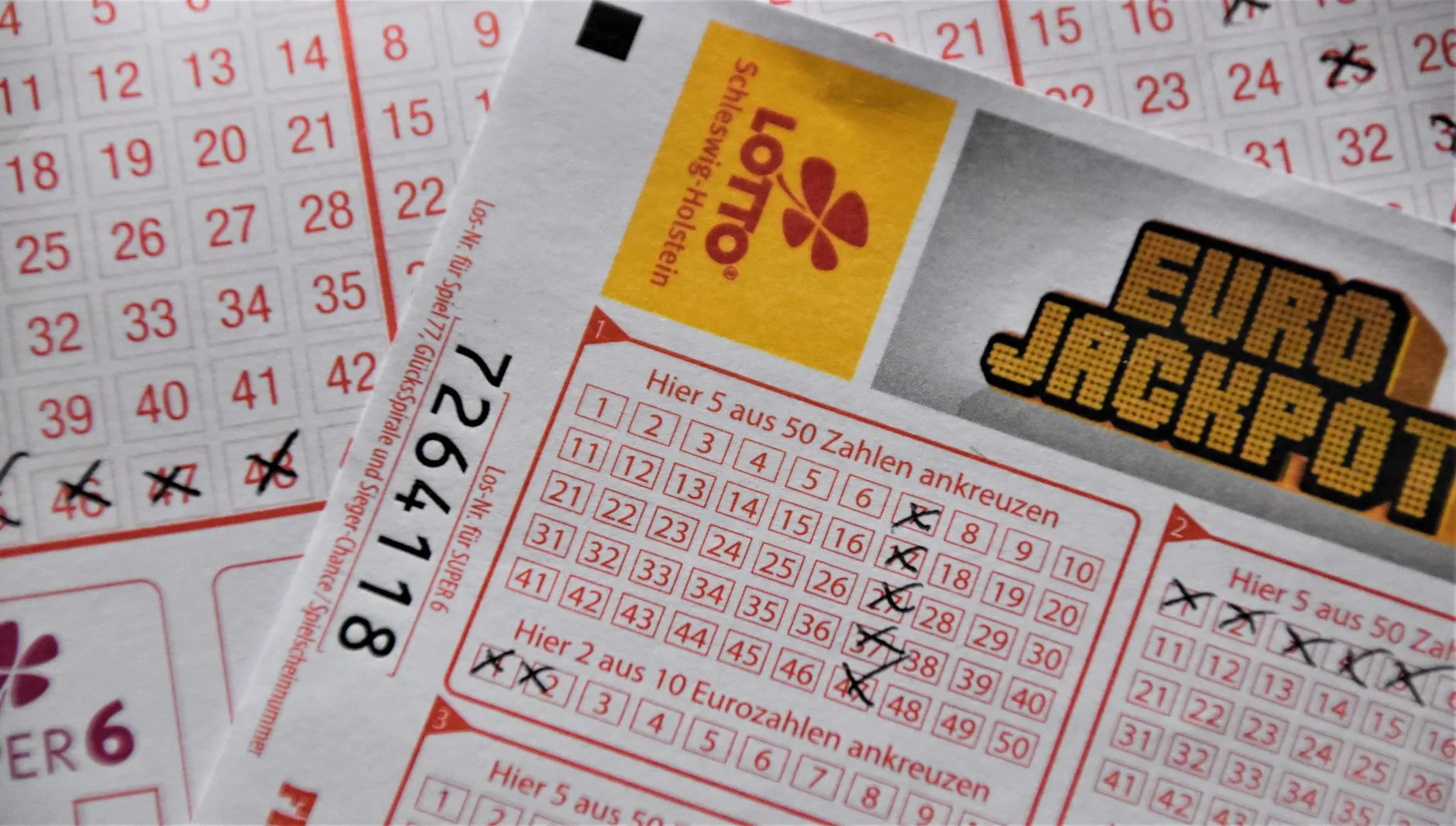
The Keno Ticket is your entry point, and it’s usually a grid of numbers from 1 to 80. Before each round you complete a few quick decisions:
- Spot Selection — choose how many numbers to mark. Every Keno Ticket requires Spot Selection before the round runs.
- Minimum and maximum spots — most games let you pick anywhere from 1 to 10, though some allow up to 15 or 20.
- Stake per game — set your bet amount. On Mr Keno this often starts around $1, and your stake scales directly with what the paytable can return.
Your stake and your spot count together decide which payout column applies, so both choices matter before you lock the ticket in.
Spot Selection and Why It Matters
Spot Selection means deciding how many numbers you’ll mark, typically 1 to 10 or more. It’s the single biggest decision on the ticket because it changes both your odds and your payout tiers. Spot Selection also influences the House Edge on a given ticket — pick badly and you quietly hand the game more margin. Read the Keno Paytable first, then decide how much Spot Selection suits your budget.
Marking Numbers on Your Keno Ticket
You’ve got two ways to fill a Keno Ticket. Mark numbers manually by tapping the ones you want, or use Quick Pick and let the system auto-select for you — the odds are identical either way, so this is purely about speed and superstition. Most platforms also offer multi-race or multi-draw tickets, where the same numbers ride across several consecutive draws. Set it to 5 draws and you’re locked in without re-entering anything.
How the Keno Number Draw Works
The Number Draw selects twenty winning numbers per Keno Gameplay round, pulled at random from the pool of 80. In a physical venue this happens with a ball machine or bubble draw. Online, a certified random number generator does the same job, spitting out 20 numbers with no human hand involved. Reputable Australian operators have their RNGs independently tested, which is what keeps online keno fair.
Here’s the part beginners get wrong: draws are independent events. The Number Draw has no memory. Number 7 landing in the last ten rounds does nothing to its chances next round — every draw starts fresh at the same odds.
Keno Draw Frequency Explained
Draw Frequency varies between land-based and online Number Draw formats, and it’s worth knowing before you sit down. Land-based venues run slower cycles; online keno tends to fire much faster.
| Venue type | Typical draw frequency |
|---|---|
| Pub or club terminal | Every 3–5 minutes |
| State lottery keno | A few draws daily |
| Online keno (Mr Keno) | Every 30–90 seconds, or instant on demand |
Faster draws mean more rounds per hour, which sounds fun but also means your bankroll moves quicker. Pace yourself accordingly.
Reading the Keno Paytable and Payouts
The Keno Paytable maps matched numbers to payout amounts, and it assigns a payout value to each Spot Selection outcome. Payouts scale on two things at once: how many spots you chose, and how many of those you actually hit. Match 5 of 5 and you win big relative to your stake; match 5 of 10 and the return is far smaller because the top prize on a 10-spot ticket sits much higher up.
| Spots played | Matches needed for a win | Payout trend |
|---|---|---|
| 4 spots | 2 or more | Frequent small wins |
| 7 spots | 4 or more | Balanced risk and reward |
| 10 spots | 5 or more | Rare hits, large top payout |
The full breakdowns differ by operator, so check the paytable on your specific game before staking.
Keno House Edge and Your Odds
House Edge is the built-in margin the game keeps over time, and in keno it’s steep — commonly 20% to 35% depending on the spot count and operator. That’s far higher than blackjack’s sub-1% or roulette’s ~2.7%. The reason is simple: House Edge is built into the Keno Paytable structure, baked into the payout ratios themselves. No betting pattern, hot streak, or lucky number shifts it. The edge is fixed by the paytable, not by how you play on any given ticket.
Common Mistakes New Keno Players Make
A few habits quietly drain beginner bankrolls:
- Overloading tickets with too many spots. Marking 10 or 15 numbers feels exciting, but the odds of hitting enough for the top tier are brutal. More spots isn’t automatically better.
- Ignoring the paytable before staking. People bet first and check payouts later. Read the Keno Paytable and confirm the Spot Selection tier pays what you expect.
- Assuming past draws predict future ones. Keno Gameplay outcomes remain independent of prior Number Draw results. Chasing “due” numbers is a fast way to lose money on a myth.
Playing Your First Keno Ticket With Confidence
The whole thing boils down to a clean flow: fill a Keno Ticket, watch the Number Draw, collect on your matches. Keno Gameplay rewards players who understand the Keno Paytable before staking, not after. Start with fewer spots — 4 to 6 is a sensible learning range — so you see more frequent hits while you get a feel for how the payouts move. Once the mechanics click, dial your spot count to match your goals. For platform-specific rules, deposit options, and where to play safely in Australia, work through the full play keno pillar guide next.